
Warmer floors in winter
Insulation under the floor stops cold air rising through the floorboards. Floors feel noticeably warmer within hours of installation, especially in living areas and bedrooms above the subfloor.
Doveton
Cold floors and draughts through floorboards are common in Doveton homes with suspended timber floors. Underfloor insulation blocks airflow under the house, keeping floors warmer in winter and reducing heating costs.
Share your details and Expert Insulation Melbourne will contact you about Underfloor Insulation in Doveton.
Underfloor insulation is installed between the floor joists from the subfloor in homes with suspended timber floors. In Doveton this typically means glasswool or polyester batts fitted snugly against the joists and bearers to stop air movement. It is one of the most effective ways to fix cold floors and draughts coming up through gaps in the floorboards.
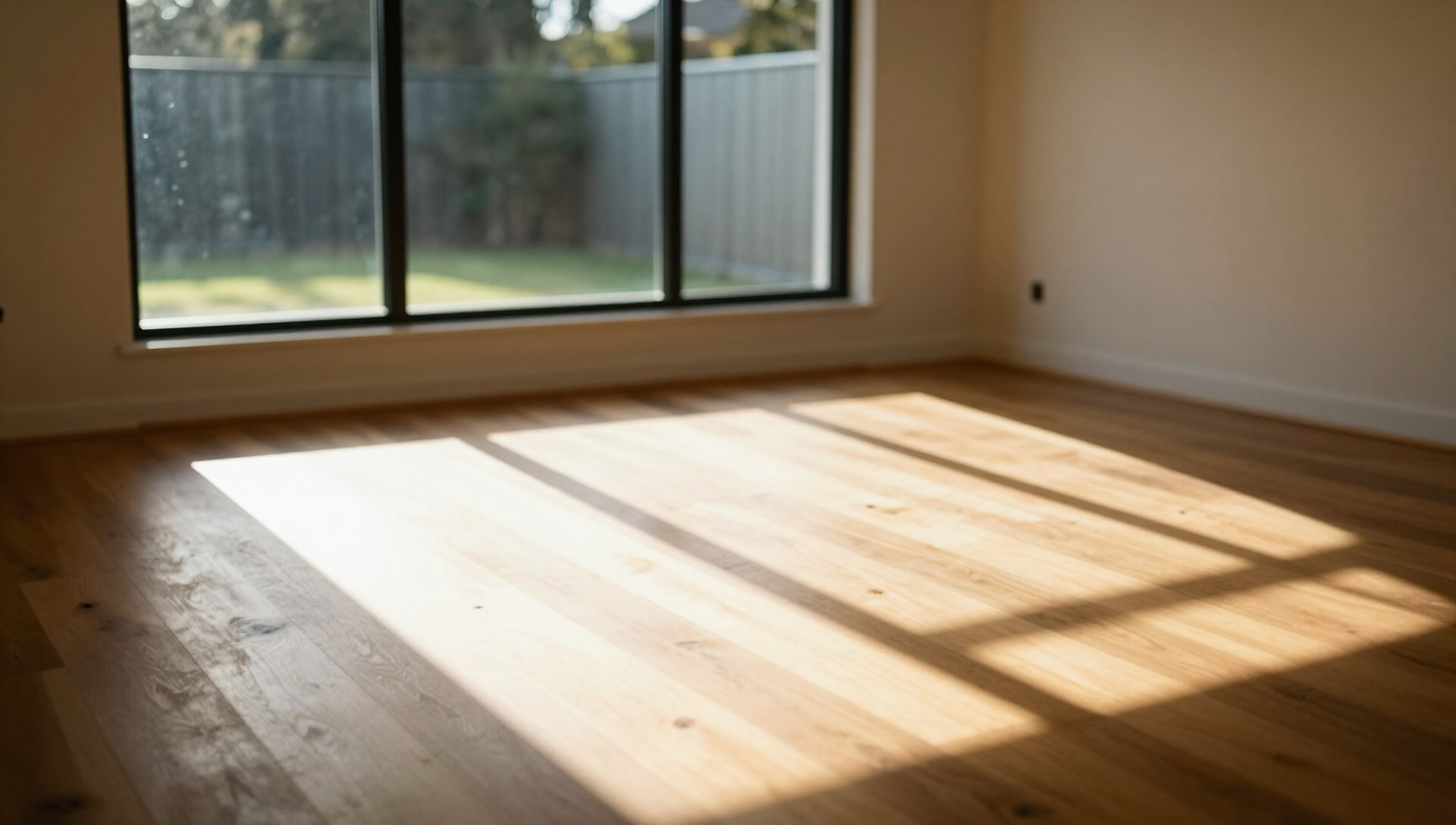
Doveton has many brick veneer and weatherboard homes on stumps with exposed subfloors. Without insulation, cold air circulates under the floor and rises through gaps, making floors icy and forcing heaters to work harder. Underfloor batts solve this by creating a thermal barrier under the entire floor area.
Insulation under the floor stops cold air rising through the floorboards. Floors feel noticeably warmer within hours of installation, especially in living areas and bedrooms above the subfloor.
Less heat loss through the floor means your heater runs for shorter cycles. Homeowners in Doveton typically see lower energy bills in the first winter after installation.
Gaps between floorboards and at skirting boards let cold air in. Underfloor batts block this airflow, making the whole house feel less draughty and more comfortable.
While the main benefit is winter warmth, underfloor insulation also helps keep floors cooler in summer by reducing heat gain from the subfloor space.
A well-insulated subfloor has less temperature variation, which reduces the risk of condensation forming on cold surfaces under the house.
The work is done from the subfloor through access hatches or by lifting sections of flooring. There is no need to remove ceilings or walls, and most jobs are completed in a day.
Installing underfloor insulation requires access to the subfloor, which in Doveton homes is usually through existing hatches or by temporarily lifting floorboards. The process is straightforward but must be done carefully to ensure batts are fitted snugly and safely.
We check the subfloor for adequate crawl space, existing insulation and any moisture or pest issues. Access points are identified or created if needed, with care taken to protect flooring.
Batts are measured to fit snugly between joists without compression. Glasswool and polyester are cut to size on site, with care taken around pipes, cables and other services in the subfloor.
Batts are friction-fitted between the floor joists and bearers, ensuring full coverage with no gaps. They are held in place by the snug fit and do not require staples or adhesive.
Any gaps around the edges of the subfloor are sealed with foil tape or similar. The area is vacuumed to remove dust and debris, and access points are restored to their original condition.
Doveton has a mix of older weatherboard and brick veneer homes, many built on stumps with suspended timber floors. These homes often have no underfloor insulation, leading to cold floors and high heating costs in winter. Insulating under the floor is a cost-effective upgrade that improves comfort without major renovations.
Stop cold floors and draughts with underfloor batts installed under suspended floors in Doveton.
Homeowners in Doveton often ask about access, R-values and whether underfloor insulation is worth it in older homes. Here are the answers based on local experience.
Underfloor insulation in Doveton targets the cold air rising through suspended timber floors in older homes. By installing glasswool or polyester batts between the floor joists from the subfloor, you create a thermal barrier that stops heat loss and draughts. This is especially effective in Doveton’s brick veneer and weatherboard houses built on stumps, where the subfloor is exposed to outside temperatures.
The typical R-value range for underfloor insulation is R1.5 to R2.5, depending on the thickness of the batts and the climate. In Doveton’s cool winters, higher R-values provide better thermal resistance and energy savings. The installation process requires enough crawl space under the house, which is common in Doveton’s older homes with stumps and bearers.
Signs your Doveton home needs underfloor insulation include cold floors in winter, draughts coming up through floorboards and high heating bills. If your house has a suspended timber floor and no existing insulation, adding underfloor batts is a straightforward upgrade. Cost depends on the floor area, access, chosen R-value and whether old material needs removal.
Expert Insulation Melbourne installs underfloor batts in Doveton homes with suspended timber floors. Call to discuss access, R-value options and a site inspection.